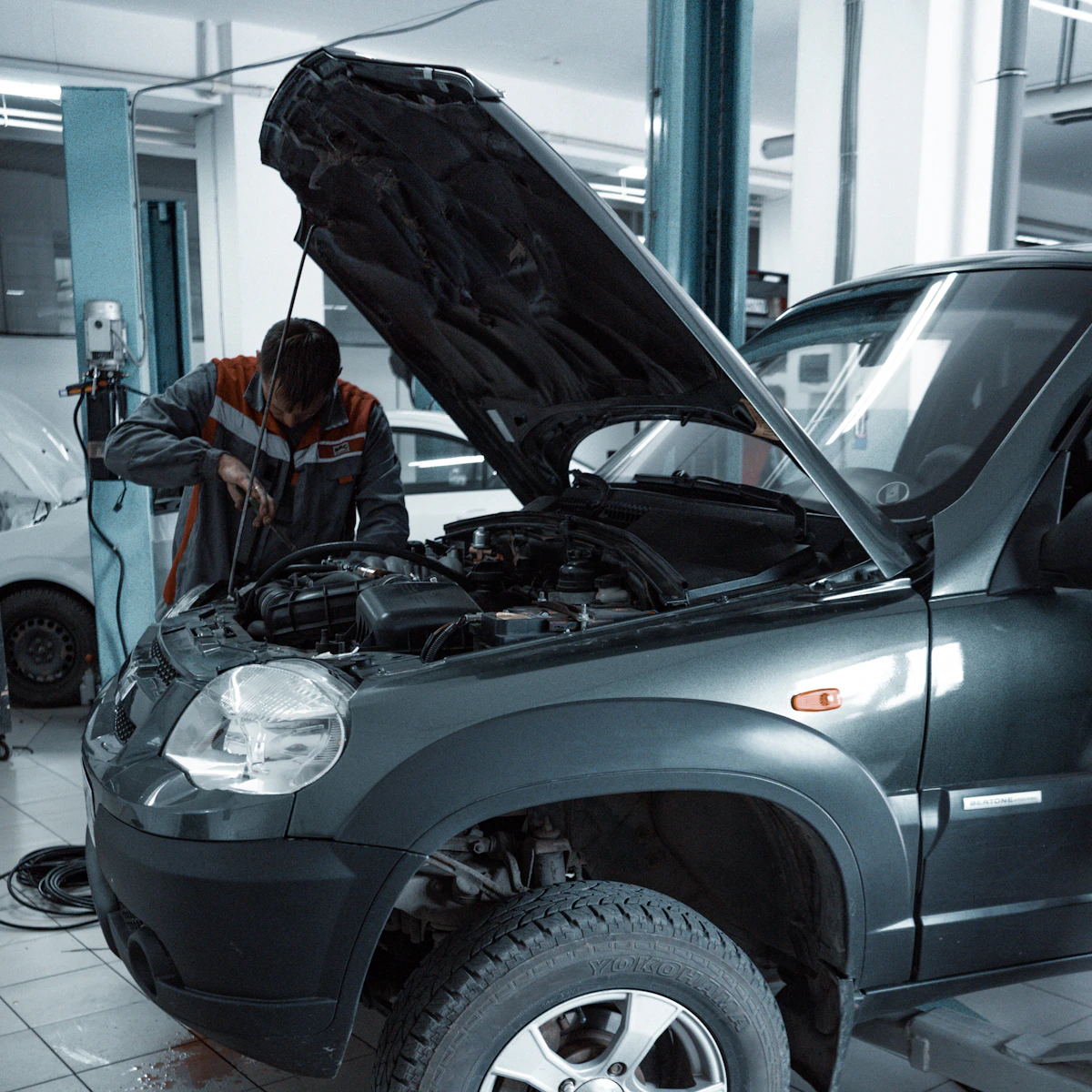
The Complete Used Car Inspection Checklist (50 Points)
Buying a used car without inspecting it carefully is one of the most expensive mistakes you can make. This 50-point checklist covers everything you need to check — from the exterior panels to the documents — so you never get caught off guard after the sale.
Print this list or open it on your phone before every car viewing appointment.
Exterior Inspection (10 Points)
- Panel gaps — Walk around the car and check that all panels are evenly spaced. Uneven gaps indicate past accident repair.
- Paint consistency — Look along the side of the car at a low angle in bright light. Repainted panels look slightly different (texture, shade, overspray on trim).
- Rust — Check wheel arches, rocker panels, under the doors, and the trunk floor. Surface rust is cosmetic; structural rust is dangerous.
- Glass — Check all windows and the windshield for chips, cracks, or crazing that will require replacement.
- Tire tread — Insert a quarter into the tread. If you can see the top of the head, the tire needs replacing. Check all four.
- Tire wear pattern — Uneven wear (worn on one edge) indicates alignment or suspension problems.
- Wheel condition — Curb rash is cosmetic, but deep rim damage can affect tire seal.
- Headlights and taillights — Check for cracks, moisture inside the housing, and that all bulbs function.
- Door operation — Open and close every door. Check for sagging hinges or resistance that suggests frame issues.
- Seals and weatherstripping — Check door and window seals for cracks or missing sections that let in water and wind.
Under the Hood (12 Points)
- Oil level and condition — Check the dipstick. Oil should be between min and max marks. Dark oil is normal; milky or foamy oil (coolant contamination) is a serious red flag.
- Coolant level and condition — Check the overflow reservoir. Green or orange fluid is normal. Rust-colored or oily coolant signals problems.
- Coolant cap — Look inside the coolant reservoir cap for brown gunk, which indicates oil is mixing with coolant (head gasket issue).
- Drive belt condition — Check the serpentine belt for cracks, fraying, or glazing. A worn belt can snap and leave you stranded.
- Battery terminals — Look for heavy corrosion on the terminals. Check battery date — most last 4–5 years.
- Hoses — Squeeze radiator hoses. They should be firm but flexible, not hard and brittle or soft and mushy.
- Oil leaks — Look at the bottom of the engine and on the ground under where the car parks. A small seep is manageable; a puddle is not.
- Air filter — A filthy air filter is a sign of deferred maintenance across the board.
- Brake fluid level — Check the reservoir. Low fluid often means worn brake pads or a leak.
- Power steering fluid — On cars with hydraulic steering, check the reservoir level and look for leaks.
- Transmission fluid — On cars with a dipstick (automatic), pull it and check. Red or pink is fine; dark brown or smells burnt is a problem.
- Engine mounts — With engine running, have someone rev it lightly while you watch the engine. Excessive movement indicates worn mounts.
Interior Inspection (8 Points)
- Dashboard warning lights — Start the car and let it warm up. Note any warning lights that stay on. Check Engine, ABS, airbag, and TPMS lights are the most important.
- Odometer — Note the mileage and verify it matches the VIN report.
- Seat condition — Check for tears, wear, and that power seats (if equipped) move correctly in all directions.
- All electronics — Test every button: windows, mirrors, heated seats, sunroof, infotainment, radio, USB ports.
- Air conditioning — Run the AC on maximum and confirm it blows cold within 2–3 minutes.
- Heater — Run the heater and confirm it gets hot. A heater that barely warms could indicate a low coolant level or faulty heater core.
- Smell — Musty smell = water intrusion. Burning smell = electrical or oil issue. Heavy air freshener = the seller is hiding a smell.
- Carpets and headliner — Lift floor mats and check for water stains. Check the headliner for water damage, especially near sunroof drains.
Undercarriage (5 Points)
- Frame condition — Look for bent, cracked, or repaired frame rails. On unibody cars, check the subframe and strut towers.
- Rust on undercarriage — Light surface rust on a northern car is normal. Deep rust eating through floor pans or frame is dangerous.
- Exhaust system — Check for rust holes, patches, or loose sections. Listen for ticking or hissing from exhaust leaks.
- CV boots — On FWD and AWD cars, look for torn CV boots (rubber bellows near the wheels). Torn boots eventually destroy CV joints.
- Shock absorbers — Look for oil leaking from shocks or struts. Bounce each corner of the car; it should settle immediately, not continue bouncing.
Test Drive Checklist (10 Points)
- Cold start — If possible, start the car completely cold. Blue/white smoke on cold start can indicate valve seals or head gasket issues.
- Idling — Let the car warm up and listen for rough idle, misfires, or unusual noises.
- Acceleration — Test full throttle briefly. The car should accelerate smoothly without hesitation, stumbling, or strange noises.
- Braking — Brake hard from 40 mph in a safe area. The car should stop straight without pulling, grinding, or pulsing.
- Steering — Check for pull to one side, vibration through the wheel, or excessive play in the steering.
- Transmission shifts — Automatic transmissions should shift smoothly and promptly. Slipping, hesitation, or harsh shifts are red flags.
- Unusual noises — Windows down at various speeds, listen for clunks (suspension), whines (bearings/power steering), or grinding (brakes/wheel bearings).
- Highway driving — Take the car above 60 mph. Check for vibration (wheel balance or alignment) and that it tracks straight.
- AC and heat on the road — Re-confirm both work during the test drive.
- After the drive — Park and check under the car for fresh drips. Check for smoke from the hood or exhaust.
Documents to Request (5 Points)
- Title — Verify the seller's name matches the title. Check title type: clean, salvage, rebuilt, or lemon. Get the original.
- Service records — Any documentation of oil changes, timing belt replacements, or major repairs is a positive sign.
- VIN match — Confirm the VIN on the dashboard (visible through windshield), door jamb, and title all match.
- Registration — Verify the registration is current and matches the car.
- VIN history report — Run a Carfax, AutoCheck, or NMVTIS report to confirm what you were told matches the official history.
When to Walk Away
Walk away immediately if: the seller won't allow inspection, the VIN doesn't match, the title isn't available or is salvage when not disclosed, there's evidence of major unrepaired accident damage, or the seller creates pressure to decide on the spot. There will always be another car.
Should You Pay for a Pre-Purchase Inspection?
Yes, almost always. A professional pre-purchase inspection at a trusted mechanic costs $100–$150 and takes about an hour. Any legitimate seller will allow it. The inspection can reveal hidden problems worth thousands — and if the car is clean, it confirms your decision with confidence. Never skip a PPI on a car over $4,000.
Search all Craigslist listings nationwide — filter by make, model, fuel type, and drive type.
Search CraigsCars now →
Also read: How to Choose a Used Car (Complete Buyer's Guide) — How to Avoid Craigslist Car Scams